


Your new is just around the corner
Sign up for insight into the latest design trends from our newsletter
You're on the list
By signing up, you agree to receive email marketing.
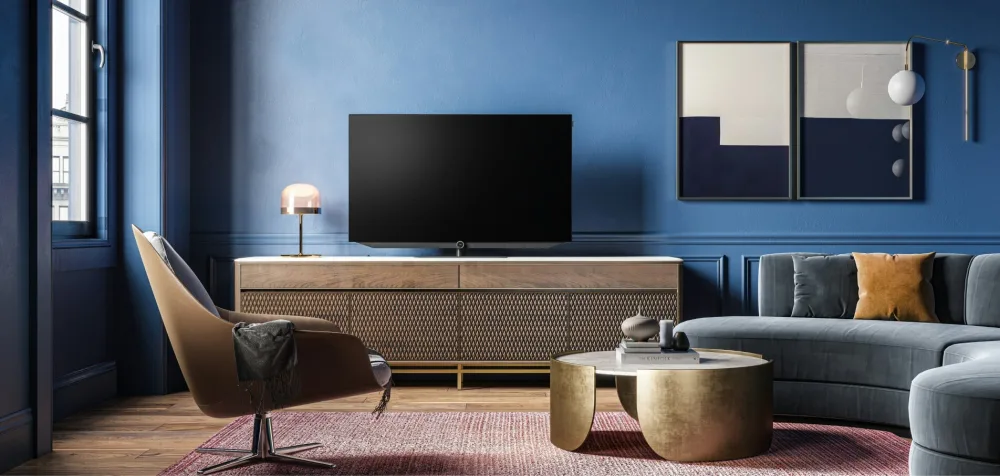
When it comes to designing your living room or entertainment area, choosing the right piece of furniture for your TV setup is more than just a matter of taste—it’s about functionality, space, and lifestyle. Whether you're a minimalist who prefers a sleek, low-profile look or someone who loves a built-in vibe with ample storage, the choice between a media center and a TV stand can dramatically affect your room’s aesthetic and organization.
In this blog, we’ll break down the key differences between media centers and TV stands and help you determine which one best suits your home, habits, and personal style. Whether you're furnishing a cozy apartment or upgrading your family room, we've got you covered with tips to make the best choice for your space.
A media center is a piece of furniture specifically designed to hold and organize various electronic devices and related accessories. Typically, it features multiple shelves, compartments, and cabinets that can accommodate not only a television but also gaming consoles, DVD players, and sound systems. This makes it perfect for individuals who own a lot of media equipment and want to keep everything in one place. Media centers come in various styles and sizes, allowing homeowners to choose one that complements their existing decor while maximizing space. Additionally, because they provide abundant storage options, media centers help maintain a tidy and uncluttered living area. By choosing a media center, you ensure that all your gear is neatly stored and easily accessible, enhancing both functionality and aesthetics.
TV stands are versatile pieces of furniture designed specifically to support television sets while offering a touch of style. Unlike media centers, TV stands are often more compact, making them perfect for smaller spaces or minimalistic setups. They usually possess a flat surface on top for placing the TV and sometimes include one or two shelves below. These shelves can hold small media devices, like gaming consoles or streaming devices. This makes them ideal for individuals who don't need a lot of storage or simply prefer a cleaner look. TV stands come in a wide range of styles and materials, from sleek metal designs to warm wooden finishes, allowing you to choose one that best fits your decor. With their simplicity and functionality, TV stands can easily enhance the look of your living room without taking up too much space.
When selecting between a media center and a TV stand, several factors should guide your decision. First, consider room size and layout; a media center works well in larger rooms where you can afford to allocate more space, while a TV stand is ideal for smaller areas looking for a more compact solution. Next, assess your storage needs. If you own a lot of media equipment, a media center with various compartments and shelves might be necessary to keep your living area organized. Then, think about your aesthetic preference. Media centers and TV stands come in many styles and finishes, so choose the one that complements your home decor. It's also important to take budget into account. Media centers, offering more storage and features, may be pricier than simple TV stands. Finally, consider technology integration, like cable management systems or space for additional peripherals, which are often prioritized in media centers. By evaluating these factors, you can confidently select the most suitable furniture piece for your space.
Choose between a media center and a TV stand based on room size and layout. A media center suits large rooms with its ample storage and organized setup, ideal for hiding cables and holding devices. TV stands are better for smaller spaces, offering a sleeker design that keeps the room open while positioning the TV and some devices. Assessing your space helps balance functionality and aesthetics.
Consider how much equipment you have and how you want it organized. A media center is ideal for large collections of electronics, offering multiple compartments and shelves. It ensures easy access and a clean setup. A TV stand is better for those with fewer devices and a streamlined look, featuring one or two shelves for minimal equipment. Decide based on your storage needs and devices you use regularly.
Aesthetic preference is key when choosing between a media center and a TV stand. Media centers are larger, with more storage, making them a room's focal point. TV stands offer a minimalist look that fits many styles. Choose based on your style, whether modern or classic, to enhance your living space with functional and stylish furniture.
Budget is a key factor when choosing between a media center and a TV stand. Media centers cost more due to their materials and storage options. They have extra compartments for devices, which increases their price. TV stands are usually cheaper and offer basic features, ideal for budget-conscious buyers. Consider cost versus benefits of storage and design to decide what's best for your budget.
Technology is crucial when selecting media furniture for an optimal entertainment setup. Media centers usually have cable management systems, ideal for organizing cords from devices like consoles and sound systems. They also provide space for extras like routers. Conversely, TV stands are simpler and suit those with fewer tech needs, fitting a minimalist setup. Choose based on your tech needs and preferences.
A media center is the perfect choice for those who own a wide array of electronic devices and require ample storage options. If your living room serves as a hub for gaming, movie nights, and music, a media center will help you organize everything neatly. Its multiple shelves and compartments ensure that each device has a dedicated spot, keeping the area clutter-free. This kind of furniture is especially beneficial when you have numerous accessories, such as game controllers, remote controls, or DVDs, as it provides specific places for these items. Additionally, a media center is ideal for larger spaces where it can become a focal point of the room, marrying both function and style seamlessly. If your decor leans towards a more substantial piece that complements your other furniture, a media center can deliver on that need, offering both practicality and an impressive aesthetic.
If your living space is limited or you favor a minimalist aesthetic, a TV stand might be your best choice. TV stands are ideal for apartments or smaller rooms because they take up less floor space than media centers. They still provide a stylish way to display your television, offering a clean look while holding essential gaming consoles or streaming devices. Often designed with modern styles, TV stands can fit seamlessly into contemporary decor. They allow you to keep your room open and airy, preventing any sense of clutter. Additionally, TV stands are versatile enough to adapt to various decorative elements, letting you change up your space with minimal effort. Whether you prefer a warm wooden finish or sleek, industrial design, a TV stand can enhance the look of your home without overpowering it. Choose a TV stand if you want something functional that leaves you room to breathe, creating a focused entertainment area that complements your overall design.
In conclusion, choosing the right piece of media furniture is about understanding your specific needs and the characteristics of your living space. Whether you opt for a media center or a TV stand, both options can enhance the functionality and aesthetics of your room. It is essential to consider the size of your space, your storage requirements, and your personal style preferences when making this decision. Remember that each piece has its advantages, and the choice ultimately depends on what fits best with your lifestyle and how you use your media equipment. By taking these factors into account, you can create a comfortable and stylish entertainment setup that perfectly complements your home.
A console is a small, narrow table for a TV and decor, used in various spaces like entryways. An entertainment center is larger, designed to store electronics like a TV, DVD players, and more, often being the room's focal point. Both serve different roles in home design.
Using a cabinet as a TV stand is a stylish and practical option. Cabinets offer ample storage for remote controls, DVDs, and consoles, keeping items organized. The flat surface supports most TV sizes, making it versatile. Ensure the cabinet is sturdy enough for the TV and matches your room's style for a harmonious look.
Positioning a TV stand isn't always about centering it in the room. You might align it with a focal point, like a fireplace, to maintain room harmony. Centering can be practical for symmetrical seating. However, placing the TV stand off-center can create a unique aesthetic and accommodate dynamic furniture arrangements. Ultimately, choose what works with your room's layout and style.
Mounting a TV saves floor space and gives a modern feel, useful in small rooms. A TV stand offers easy access to devices and extra storage, serving as a stylish furniture piece. Choose based on your room's layout and storage needs.
You're on the list
By signing up, you agree to receive email marketing.