
Your new is just around the corner
Sign up for insight into the latest design trends from our newsletter
You're on the list
By signing up, you agree to receive email marketing.
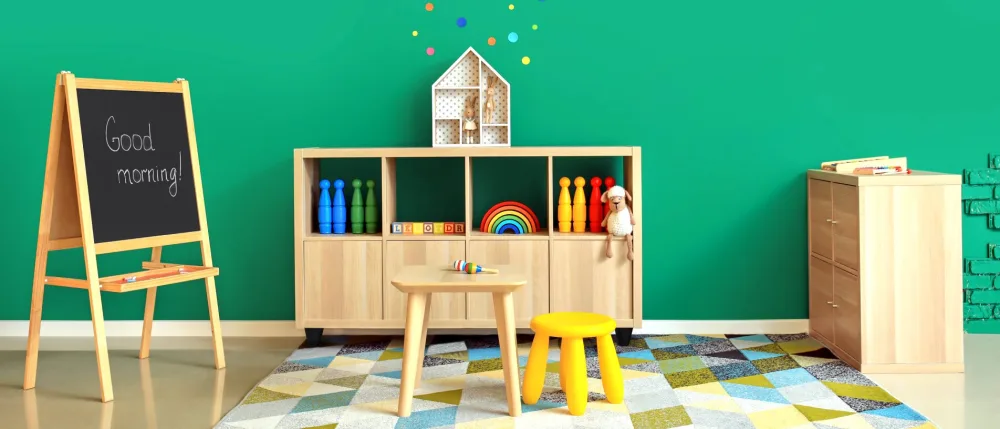
A playroom should be more than just a place to stash toys and games. It should be a joyful retreat where your child’s imagination can soar. The best playroom designs reflect your child’s favorite interests while staying organized and functional. With the right layout, playful themes, and smart storage, you can turn a simple room into a space full of magic, creativity, and fun.
A well-designed playroom doesn’t just make life easier for parents — it opens a world of possibilities for kids. With intentional layouts and zones, kids can move seamlessly between creative, active, and quiet play. Whether they’re painting a masterpiece, building a fort, or diving into a book, every inch of the room is designed to inspire.
A themed playroom turns ordinary play into an extraordinary adventure. Here are a few ideas to get inspired:
Bring the safari to your child with this explorer's jungle theme. Incorporate plenty of natural elements, like rope accents, wooden storage trunks, and log-shaped stools. Add playful touches like animal decals, a DIY canopy, a set of binoculars, and a faux grass rug to make the jungle feel even more immersive.
Step into a magical woodland retreat with a fairy-themed enchanted forest. Include ivy garlands, moss-green rugs, twinkling fairy lights, and woodland creature plushes to bring the forest floor to life. Add a sprinkle of magic with hidden fairy decals or tiny fairy doors tucked around the room for your child to discover.
Launch into orbit with a space exploration theme, where your child can explore their love for the stars. Glow-in-the-dark stars, planets, comets, and more are an absolute must, but you can upgrade the immersive night-time feel with glow-in-the-dark paint. Create a galaxy mural or add alien spaceships for a sci-fi feel. Complete the look with added touches like metallic accent walls, astronaut helmets, and hanging planet decor.
Transform your space into a high-seas adventure with a pirate ship theme. Use treasure chests for storage and incorporate natural rope accents throughout the room. Add a porthole decal on the wall, create a DIY crow’s nest loft, or put out a plank-style balance beam for even more fun on the high seas.
For kids with an artistic spirit, nurture their creativity with their very own at-home art studio. Put different kinds of arts and crafts in their own “stations” around the room, like easels for painting, a chalkboard wall for sketching, a coloring station with crayons and colored pencils, and a crafting station with beads, stamps, stickers, and more. To organize the artistic chaos, try using a pegboard organizer or rainbow colored bins for supplies. Display your child’s masterpieces in professional-looking frames to make your very own art gallery.
Zoning your playroom helps balance energy and creativity. Start with a cozy reading nook — layer in a soft rug, bean bags, bookshelves, and warm lighting. Then build out other zones based on your child’s interests: a craft table, pretend play corner, building station, or active play area.
In small spaces, multifunctional furniture is key. Think storage ottomans, foldable desks, and convertible seating to make the most of every inch.
Choose furniture that evolves with your child’s age and needs. Adjustable tables, modular shelves, and convertible toy storage will save you from frequent upgrades. Aim for pieces that are durable, versatile, and designed to last through every stage of childhood.
Creating your dream playroom doesn’t have to break the bank. Start by upcycling old furniture to furnish your playroom. All it takes is a fresh coat of paint and a little imagination to transform dated pieces into your dream furniture. Sand and re-paint a dated bookshelf, turn an old coffee table into a crafting table, or repurpose wooden crates as toy bins.
Other design touches, like wall decor, can be made DIY. Frame your child’s artwork, paint a mural, or make themed props, like a weathered map or a nautical porthole.
The ideal playroom is where comfort meets creativity — a place your child loves and your home can handle. Whether you want a quiet reading nook, an adventure zone, or a blend of both, your dream playroom is within reach. With a little planning and imagination, you can build a space that grows with your child and sparks joy every day.
Explore More
A well-designed kids playroom should include plenty of storage solutions such as bins, shelves, and toy boxes to keep the space organized and tidy. It’s important to include a mix of age-appropriate toys that encourage creativity, learning, and open-ended play. Creating distinct activity zones—such as a reading nook, an arts and crafts station, or a space for building and pretend play—can help structure the room. Comfortable seating like bean bags, floor cushions, or a small sofa adds coziness and makes the space inviting. Soft flooring, such as rugs or foam mats, ensures safety and comfort for active play. To inspire imagination, decorate the walls with alphabet posters, children's artwork, or interactive features like a chalkboard wall. Finally, make sure the playroom has good lighting and enough open space for kids to move around freely.
Even in a small space, you can create a functional and fun playroom by being strategic with layout and furniture. Start by using vertical storage such as wall-mounted shelves or hanging organizers to keep the floor clear. Choose multipurpose furniture—like a storage bench or a table that folds away—to maximize usability without taking up too much room. You can define different play zones with rugs or arrange toys and activities in specific corners to create structure. Rotating toys in and out helps maintain interest while reducing clutter. Think creatively and consider underutilized spaces like corners, closet nooks, or even the area beneath a staircase. Keeping the design simple and the items curated ensures the space stays both manageable and engaging.
A Montessori playroom is a thoughtfully designed space that supports independence, focus, and hands-on learning, following the principles of the Montessori method. Everything in the room is made accessible to the child, including low shelves and child-sized furniture, allowing them to choose and return items on their own. Toys and materials are limited in number and intentionally chosen—often made of natural materials like wood—and designed to teach real-life skills, encourage problem-solving, or support sensory development. The environment is calm and uncluttered, with neutral tones, natural light, and minimal distractions, helping children stay engaged with the activity at hand. Items in the playroom are rotated regularly to align with the child's developmental stage and evolving interests. The overall goal is to nurture a child’s independence, curiosity, and love of learning through purposeful play.
You're on the list
By signing up, you agree to receive email marketing.