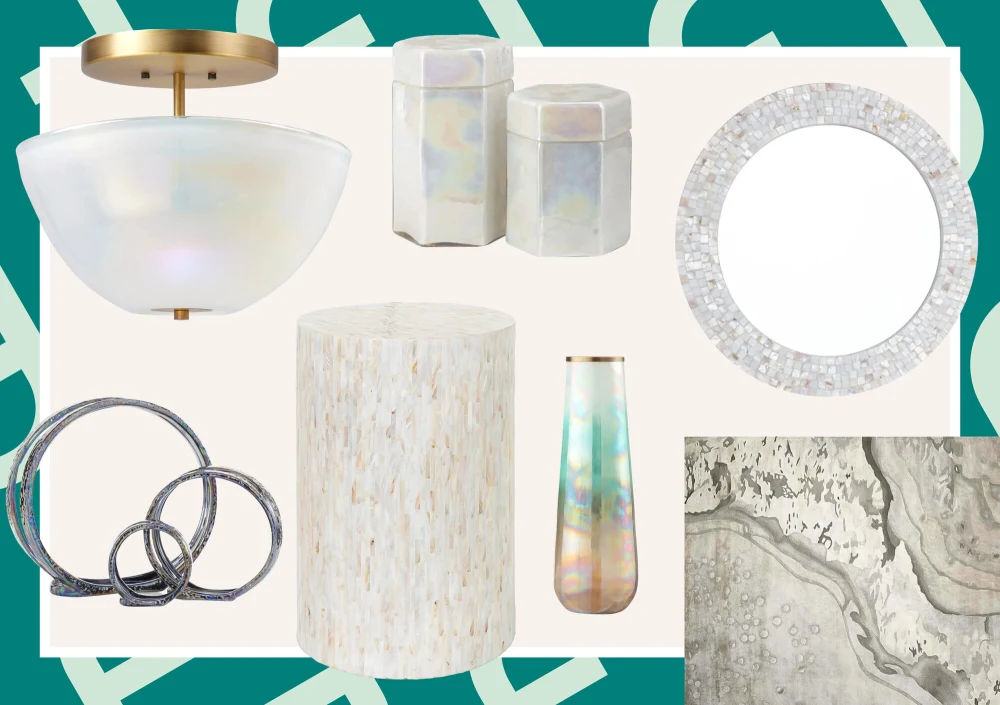
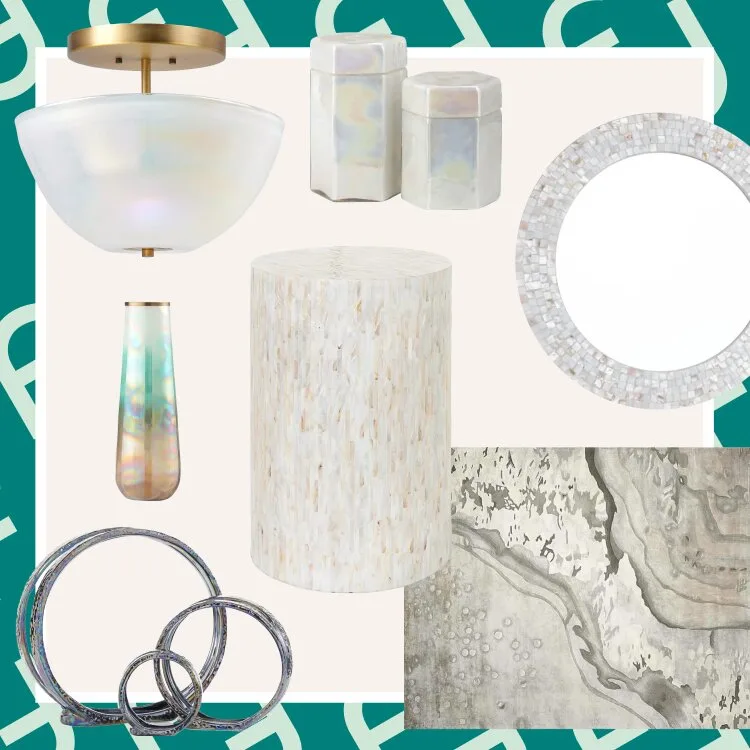
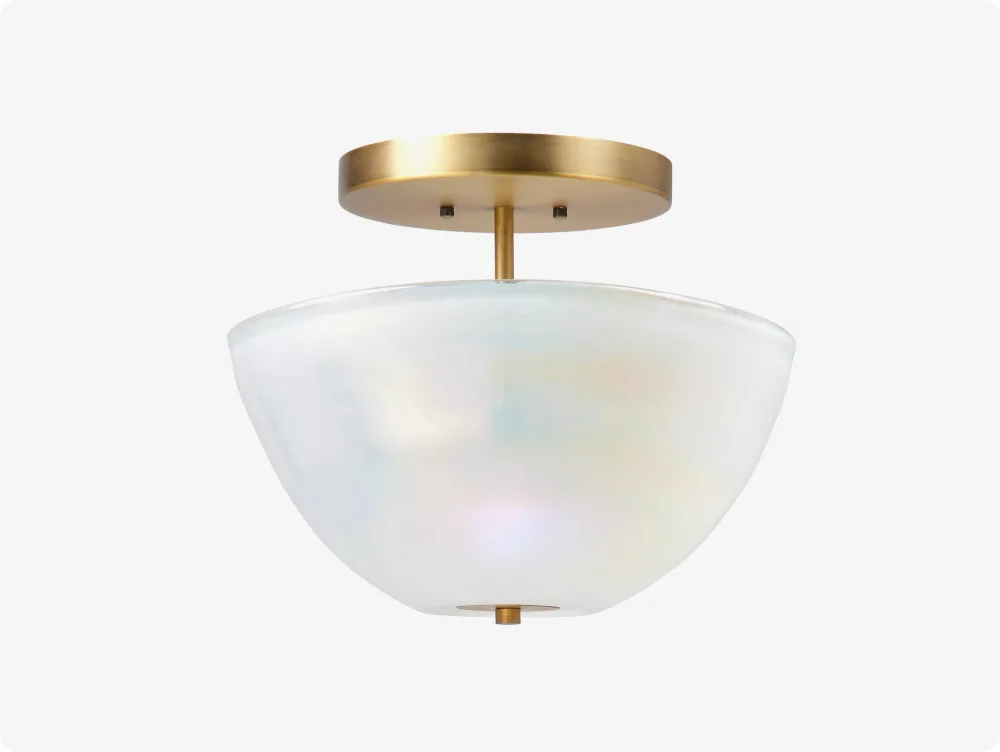
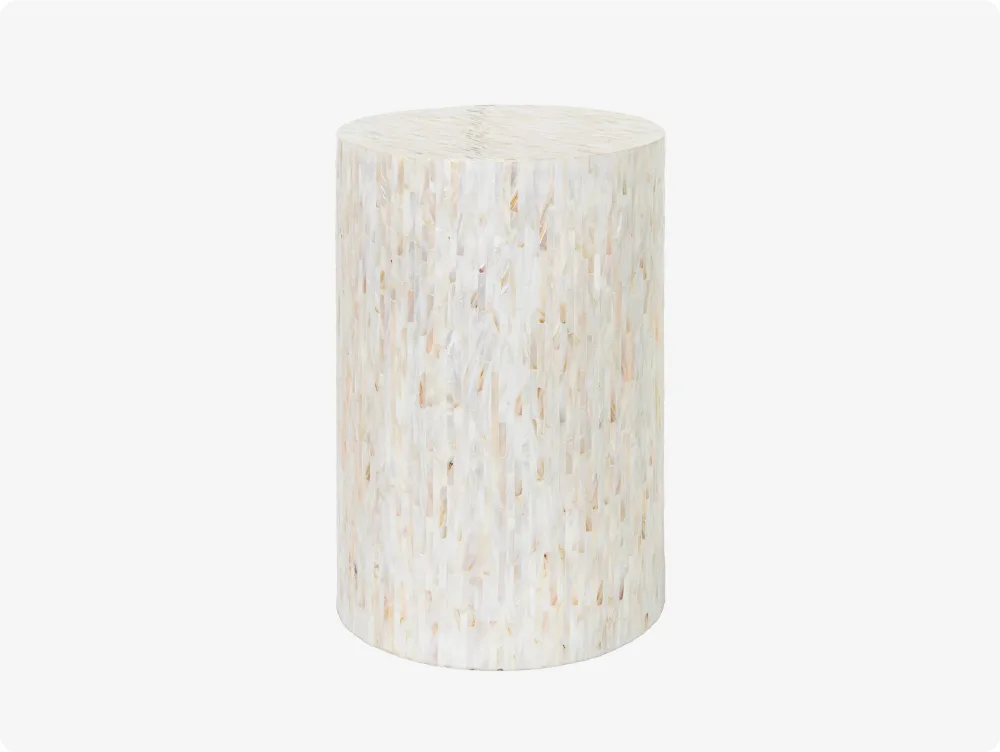
Find Your Celestial Glow With Trending Iridescent Decor


F.A.Q.
What color goes with iridescent?
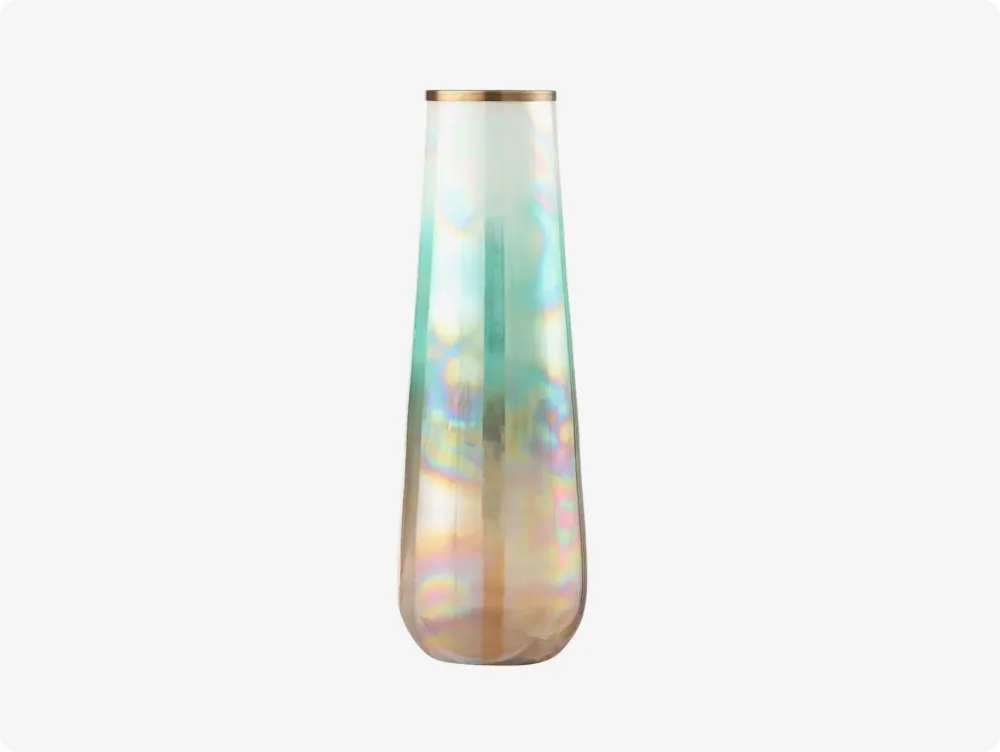
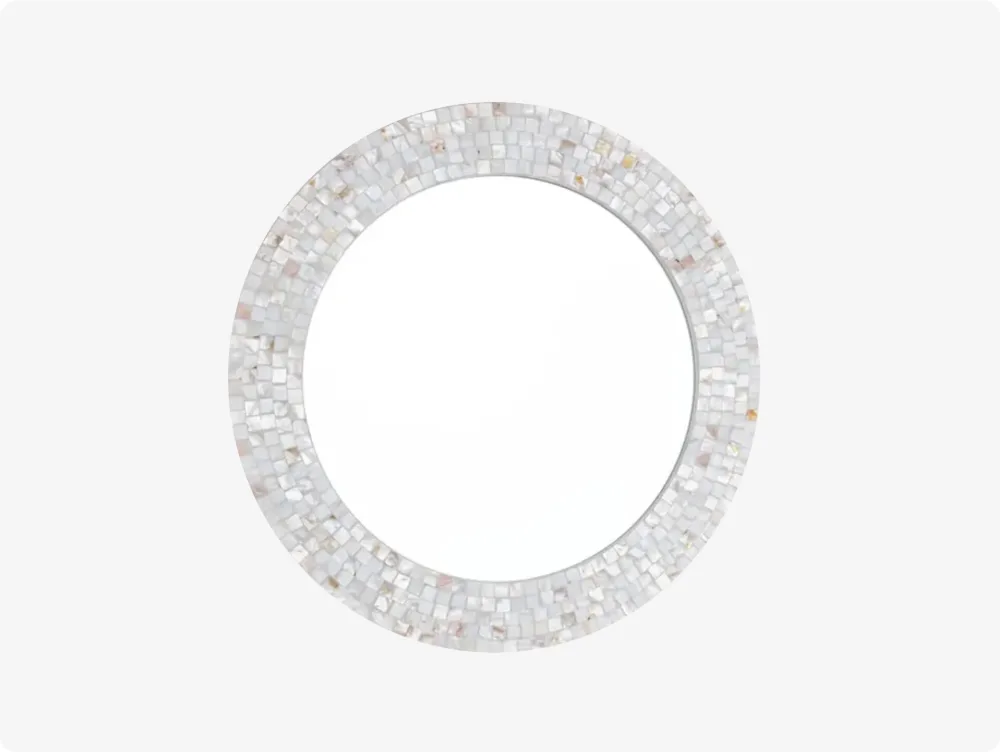
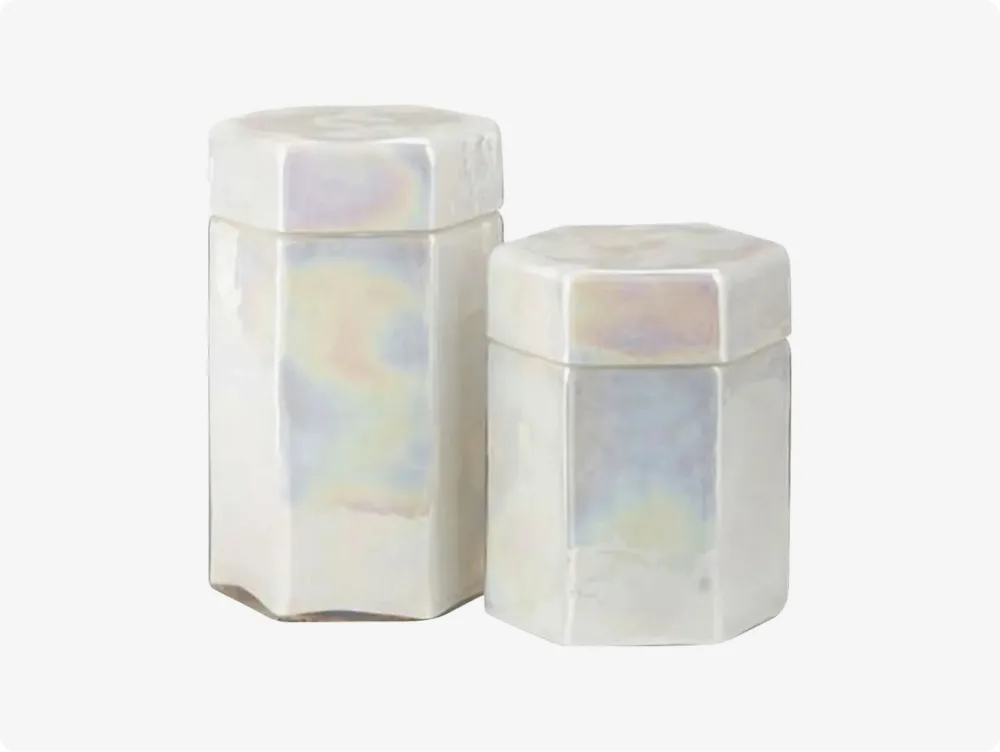
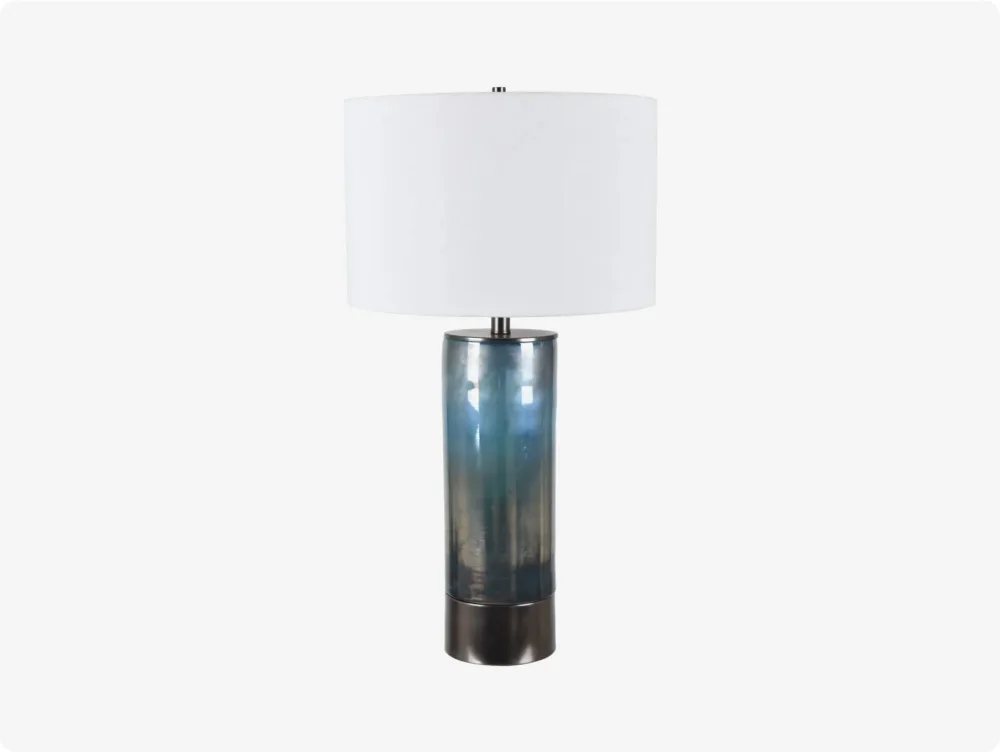
When incorporating iridescent decor into your home, selecting complementary colors is crucial for creating a harmonious aesthetic. Neutrals like white, grey, and beige are perfect for highlighting the vibrant, multi-colored sheen of iridescent items. These understated hues provide a clean backdrop that allows the shimmering decor to stand out without overwhelming the space. For a bolder look, opt for deep, rich colors such as navy blue or emerald green, which add a touch of sophistication and contrast beautifully with the iridescent finish. Moreover, pastels, including soft pinks and lavenders, work well to emphasize the more subtle tones in iridescent decor, resulting in a dreamy and cohesive palette. Therefore, whether your style is minimalist or more eclectic, incorporating these colors can elevate your interior design by enhancing the unique allure of iridescent pieces.
What's the difference between pearlescent and iridescent?
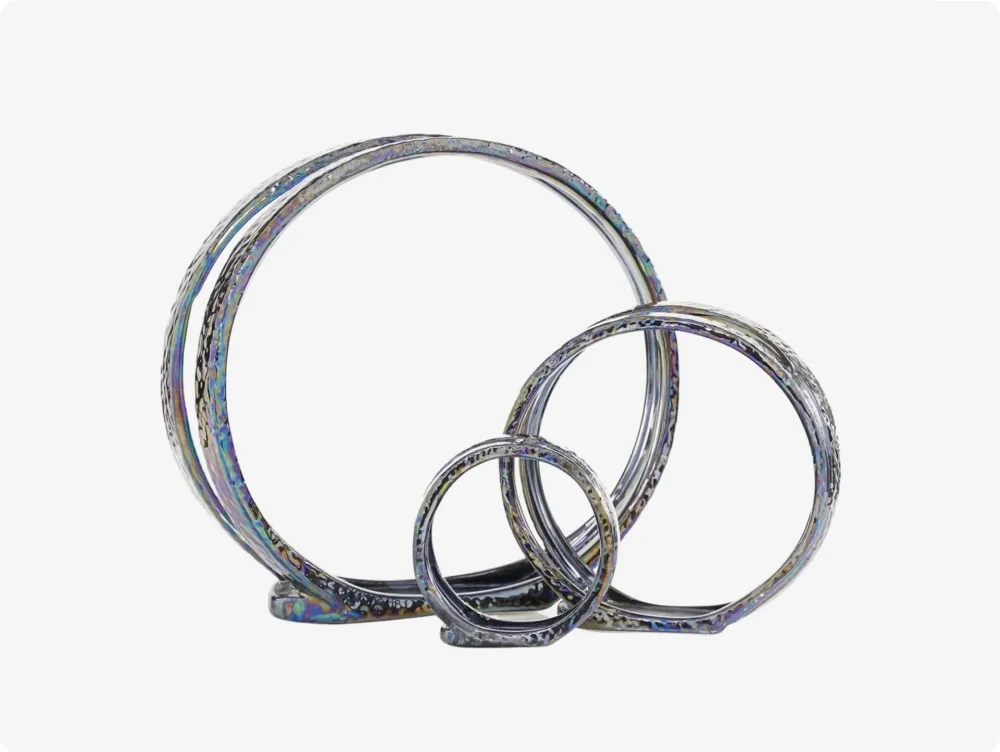
Pearlescent and iridescent finishes often confuse many due to their shimmering qualities, yet they are distinct in appearance and effect. Pearlescence, inspired by the inside of a pearl, typically produces a soft, consistent sheen that gives a lustrous glow without drastic color changes. It offers a subtle, elegant shine that appears to shift lightly as it catches the light but generally maintains its base color. On the other hand, iridescence is dynamic and captivating, as it causes an array of colors to emerge and transform when viewed from different angles. This effect is similar to the way a soap bubble projects a spectrum of hues, creating a more vibrant and playful appearance. While pearlescent finishes provide a more understated elegance suitable for classy and polished spaces, iridescent elements add a whimsical and modern flair that stands out distinctly. Understanding these differences can assist in selecting the appropriate finish that aligns with the desired aesthetic for your decor.
What is the difference between adularescence and iridescence?
Adularescence and iridescence are two captivating optical phenomena often found in decorative elements, yet they differ fundamentally in their origins and visual effects. Adularescence occurs in certain gemstones, particularly moonstones, and is characterized by a soft glow or sheen that appears to float beneath the surface of the stone. This phenomenon is caused by light scattering due to the unique layered microstructure within the gem, giving it an ethereal, glowing effect. In contrast, iridescence results from the interference of light waves reflecting off multiple layers, presenting a vibrant spectrum of colors that change based on the viewing angle. Unlike adularescence, which produces a singular luminescent effect, iridescence offers a more dynamic and colorful display, reminiscent of the hues seen in soap bubbles or oil slicks. Although both create stunning visual effects, selecting between adularescent or iridescent decor can greatly influence the ambiance of your space, with the former providing gentle mystique and the latter adding lively playfulness. Therefore, understanding these distinctions allows for more informed choices when integrating these beautiful phenomena into home decor.
What items are naturally iridescent ?
Nature offers a dazzling array of iridescent wonders that have inspired designers and captivated onlookers for centuries. Many birds, such as peacocks and hummingbirds, exhibit brilliant iridescent feathers that shimmer in the sunlight, providing a breathtaking display of colors. These visual delights serve not only as a spectacle but also play a role in mating rituals and camouflage. In addition to the avian world, several insects, including butterflies like the blue morpho and certain beetles, display iridescence due to microscopic structures on their wings and shells. This effect helps them ward off predators and attract mates. Moreover, marine environments boast iridescent creatures such as fish and mollusks, with the inside of an abalone shell offering a mesmerising array of greens, blues, and pinks. Such natural iridescence is not only a marvel of evolution but also serves as a rich source of inspiration for iridescent decor, which seeks to capture the same dynamic beauty found in nature's own masterpieces.

