
Navigation Bar
Design 101

5 Planter Box Ideas for Sprucing Up Your Outdoor Space

When preparing your yard or other outdoor spaces for spring, incorporating planter boxes can be a simple way to add color and style. We've put together planter box ideas to help you improve your yard, porch, or patio in any season.

Why Planter Boxes Make a Great Addition to Your Yard

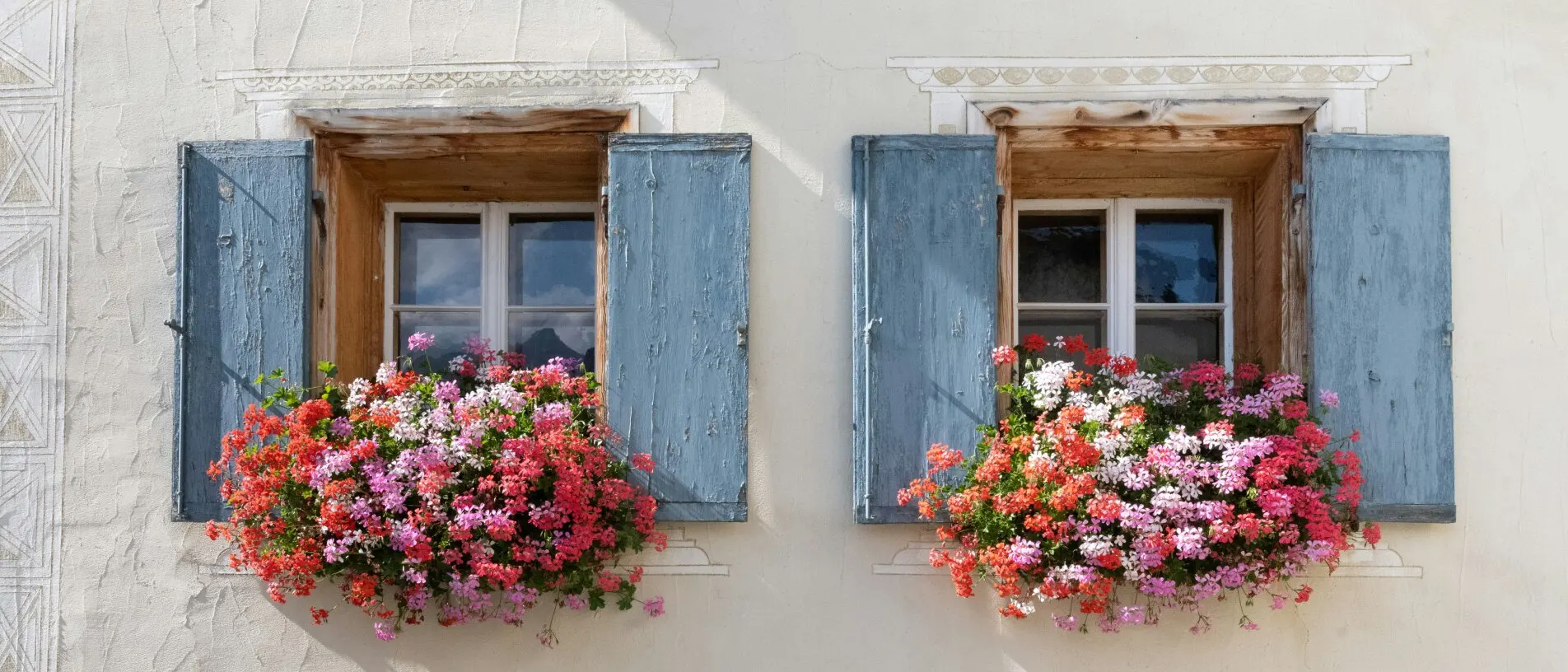
Planter boxes are an easy and charming way to increase your curb appeal. With strategic placement, they add beauty and save you the trouble of landscaping every inch of your yard. Use them on your lawn, patio, porch, or even in your windows to spruce up any outdoor space.


Planter boxes are easy to rearrange if you decide you want to redecorate. Simply move the box to a new location rather than digging up all your plants. It’s also easier to mow the rest of your yard since there’s a clear separation between the flowers and your lawn.


As a bonus, planters make your flowers and ferns easier to care for by raising them up off the ground. No need to kneel on the ground for hours when weeding and pruning.

5 Ways To Use Planters To Improve Your Outdoor Spaces

Planters are a fun and versatile way to enhance your outdoor spaces. Here are some clever planter box ideas to help you decorate your yard and garden this spring.

1. Choose the Perfect Location

Place planter boxes in different locations for different effects. Planters around your doorways provide guests with a welcoming breath of fresh air as they enter. A few attractive potted plants around your patio or porch make it feel like you’re sipping your morning coffee in a secret garden. Lining your yard with planter boxes helps keep a vegetable garden safe from critters, or add color throughout your outdoor spaces. Some planters can even be mounted to the wall for your vertical outdoor.


Think about the areas you’d like to tackle first and consider both creative and traditional ways to use planters. Boxes throughout the yard can be in simple rows or arranged in creative shapes or a maze. Porch or patio planters can line the edges of your deck, or they can be strategically arranged around your tables and chairs. 


Don't forget about the entryway. Place some on your stairs, or put window boxes around the windows closest to your door. 

2. Go For Some Variety

Your planter boxes don’t all need to be the same shape and size. Variety makes things interesting. Create layered arrangements of smaller flowers in a larger box paired with large plants. An extra large box may be able to hold a large plant and a few small ones as accents. Some planters even come in matched sets of multiple sizes for a cohesive look.


Create intricate vertical gardens with carefully arranged wall-mounted boxes or flower pots. This is a great option for limited spaces, such as a small patio, or a home with a small yard or little outdoor access. Adding some variety to your plants can be appealing too. Planter boxes can hold anything from flowers to bushes or topiaries to vegetables and herbs. Combine multiple varieties of plants in a single planter, such as a topiary surrounded by accent flowers, or herbs and vegetables layered to maximize your space.

3. Choose the Right Material for Your Aesthetic

Planters come in a variety of materials, from natural materials such as clay and wood to synthetic materials such as plastic or metal. Consider the aesthetic you’d like to present. You could find flower pots in cute pastels for a sweet candy-coated vision or go for the rustic farmhouse look with some reclaimed wood or wicker planter boxes. The variety of boxes available makes it easy to find something that fits the exact style you’re going for. Choose boxes that complement the flowers you want to plant in them. If you’re looking for a patio herb garden, something more natural might suit your tastes. If you prefer a pop of colorful blooms, more colorful materials or funky shapes might be more your style. The sky is the limit.

4. Separate Your Plants From Your Grass

If you like to have flowers or other plants throughout your yard, planter boxes can be a great way to separate your flowerbeds from the lawn's grassy areas. Using a planter box keeps your flowers or vegetables contained, making them easier to mow around. Boxes also protect homegrown food from being stolen or damaged by underground critters, and they offer better drainage for delicate plants prone to root rot in rainy weather.

5. Get Creative When Seasons Change

Planter boxes don’t have to sit empty once the cold weather rolls around. Many people decorate their planter boxes for every season. When plants die off and leave your boxes empty, there’s plenty of room for seasonal decor.


Line a planter box with outdoor lights, lawn decorations such as gnomes or flamingoes, or other seasonal decor. You could place your Halloween jack-o'-lanterns inside the planters lining your doorway, or place a Christmas Village and lights in the boxes on your patio or porch.


Install faux plants that won’t disappear when the weather changes. You could even create unique displays in different pots and swap them out seasonally, storing the extras in your shed or garage until their season comes around again.

Enhance Your Outdoor Spaces With Planter Boxes

When it comes to decorating your outdoor spaces, planter boxes are a simple and fun way to mix things up. They come in every shape, size, and aesthetic so there’s a great option for any style. Consider using some of these planter box ideas when you’re planning your garden this spring.

More Design Inspiration
Read all
STYLE
Outdoor Dining Ideas to Elevate Your Al Fresco Experience
SHOPPING
Setting up Your Outdoor Space for Entertaining

F.A.Q.

Wha is the best thing to line a planter box with?

When lining a planter box, it's essential to choose materials that will ensure proper drainage while protecting the structure from moisture damage. A common choice is landscape fabric, which allows water to escape while preventing soil from slipping through. It is also beneficial to line the box with materials like burlap for more rustic designs, as burlap offers gentle support for the soil and plant roots. For enhanced longevity, you might consider adding a plastic liner beneath the fabric—it acts as a further barrier against moisture, which can otherwise lead to wood rot over time. Additionally, lining with small pebbles or gravel can help stabilize the planter box while providing a foundation for effective water drainage. Incorporating these options allows gardeners to maintain beautiful and healthy plant arrangements in their stylish planter boxes.

What kind of wood should you use for a planter box?

Choosing the right kind of wood for a planter box is essential to ensure durability and complementing aesthetics for your outdoor spaces. Cedar is a popular choice due to its natural resistance to rot and insects, making it ideal for outdoor use. It has a beautiful natural color that can enhance the visual appeal of your garden while being a sustainable option. Another excellent choice is redwood, known for its longevity and resistance to decay. Although it may be more expensive, redwood offers a rich, warm hue that adds elegance to any setting. For those looking for a budget-friendly option, pressure-treated pine can be a great alternative. It is treated to resist rot and insects, providing a long-lasting solution. However, it is crucial to ensure that the treatment chemicals will not harm the plants or soil. Each wood type brings different aesthetic and functional benefits, allowing you to tailor your planter boxes to your personal style and garden needs. Additionally, consider sealing the wood for extended protection against the elements, ensuring your planters serve your gardening needs for many seasons.

What are the best flowers for a planter box

When choosing the best flowers for a planter box, it is important to consider both the aesthetic appeal and the environmental conditions in your outdoor spaces. Annuals such as petunias, marigolds, and begonias offer vibrant bursts of color and can easily adapt to various sun and shade patterns. These flowers are great for adding an instant splash of life to your garden. Perennials like lavender, ferns, and hostas provide lasting beauty from year to year and often require less maintenance. It's also worthwhile to match your flower selection with the planter's material and style. For example, trailing flowers such as ivy or nasturtiums can overflow from hanging planters or wall-mounted boxes, creating a dynamic visual effect. Furthermore, incorporating a mix of foliage plants like ornamental grasses or succulents alongside flowering plants can enhance texture and interest. By carefully selecting flowers according to light availability, planter type, and desired look, you can create a thriving and attractive display in your outdoor areas.


Your new is just around the corner
Sign up for insight into the latest design trends from our newsletter

You're on the list

By signing up, you agree to receive email marketing.