
Navigation Bar
Design 101

What Is the Best Material for Outdoor Furniture?

Choosing the best material for outdoor furniture is crucial for creating a stylish, durable, and weather-resistant patio space. With so many outdoor furniture materials available — from teak to aluminum — it's important to understand which patio furniture materials stand up best to the elements. In this guide, we'll help you decide what is the best material for outdoor furniture based on your needs and style. 

Factors to Consider When Choosing Outdoor Furniture Materials

Whether you’re decorating your balcony or designing an outdoor kitchen, the right furniture material can make or break your outdoor space. But it’s not just about choosing a style you love — there are a few other factors to consider before you buy.   

1.

Climate

Climate plays a big role in choosing the right outdoor furniture materials. In coastal climates where rain and fog are common, it's important to select moisture-resistant materials like synthetic wicker, plastic, or rust-resistant metals. If you prefer the look of natural wood, opt for a durable hardwood and be prepared to invest in regular maintenance. In dry, hot climates, such as deserts, sun damage is a major concern. It's best to avoid cotton or polyester upholstery and keep any wood furniture well-oiled to prevent cracking. For areas that experience snow and ice during the winter, solid materials like metal or concrete are more durable and better suited to withstand freezing temperatures. Removing or covering upholstery during the winter can also help prevent moisture damage. If you fall in love with a style of outdoor furniture that isn't ideal for your local climate, don't worry—you can still make it work with a little extra care. Invest in high-quality covers, apply protective treatments as needed, and consider moving your furniture indoors during harsh weather to extend its lifespan.

2.

Usage

How often will you use your outdoor furniture? If you plan on using it daily, investing in a more durable material that will withstand long-term use might be worthwhile. Low-cost plastic furniture will wear down and break much faster than wood, metal, or durable wicker. In addition, consider how you want to use your furniture. Poolside furniture, for example, will get wet, so opt for moisture-resistant materials and quick-drying upholstery.  Plan on dining on your outdoor furniture? Materials that are easy to wipe clean will be a huge help.

3.

Comfort

Just like your indoor sofas and chairs, your outdoor furniture should be as comfortable as it is stylish. To strike the right balance between comfort and durability, there are a few things to keep in mind. Removable cushions are a great option, as they provide extra comfort and can be easily stored indoors during stormy weather to protect them from damage. Investing in weatherproof storage containers is also a smart move, allowing you to keep extra pillows and blankets handy to make your outdoor seating area even cozier. Regular cleaning is just as important—stains, dirt, and mildewy smells can quickly make your furniture unpleasant to use, so it's essential to learn how to properly clean and maintain your outdoor pieces to keep them fresh and inviting.

What Is the Best Material for Outdoor Furniture?

The best material for outdoor furniture depends on your climate, how much maintenance you're willing to do, and your aesthetic preferences. Popular options include: 

Teak

Known for its exceptional durability and resistance to moisture and insects.

Aluminum

Lightweight, rust-proof, and easy to move.

Wicker (Resin or Synthetic)

Weather-resistant and stylish, perfect for a classic patio look.

Steel

Strong and heavy but needs proper treatment to prevent rust.

Plastic/Polywood

Affordable, low-maintenance, and available in many styles and colors.

Comparing Patio Furniture Materials: Pros and Cons

When comparing different materials for outdoor furniture, it's important to weigh their advantages and drawbacks. Each material offers unique benefits depending on your priorities, whether that's durability, style, ease of maintenance, or cost. Here’s a closer look at the pros and cons of some of the most popular options: 

Teak

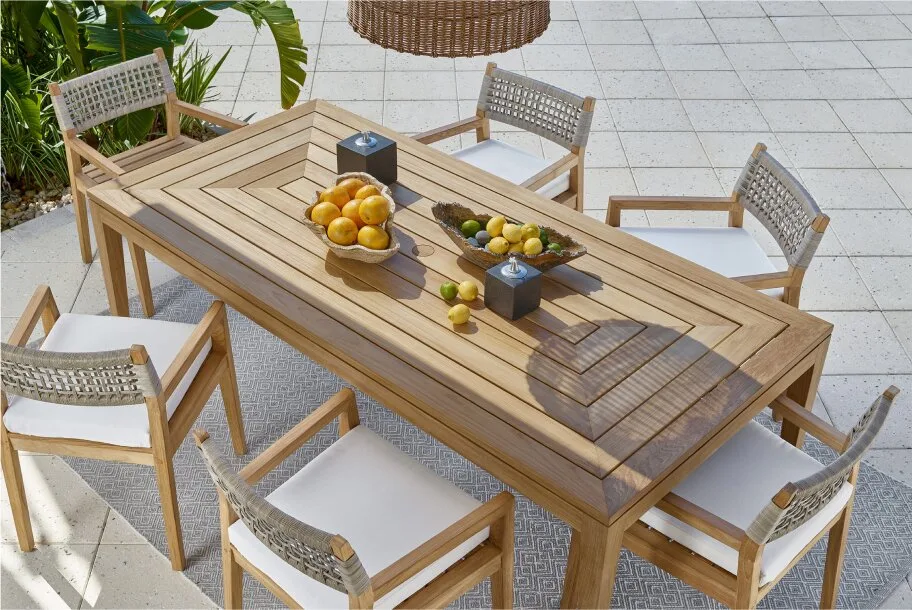
One of the best materials for outdoor furniture, teak is known for its luxury and longevity. With a beautiful silver patina and an elegant look, this wood's natural oils resist rot, insects, and moisture. This outdoor wood furniture is best in humid or coastal climates and requires minimal maintenance. However, it’s also an expensive investment and is heavier than other materials. 

Pros: Highly durable, develops a beautiful patina over time.

Cons: Expensive, requires occasional oiling to maintain color.

Aluminum

Aluminum is lightweight, rust-proof, and easy to maintain. Powder-coated finishes add UV and scratch resistance, making it a durable and affordable option for patio furniture. But the lightweight build has its drawbacks — aluminum furniture is less sturdy and can feel cheaper, especially against strong winds. 

Pros: Lightweight, rust-proof, and low maintenance.

Cons: Can be light enough to blow away in high winds.

Wicker

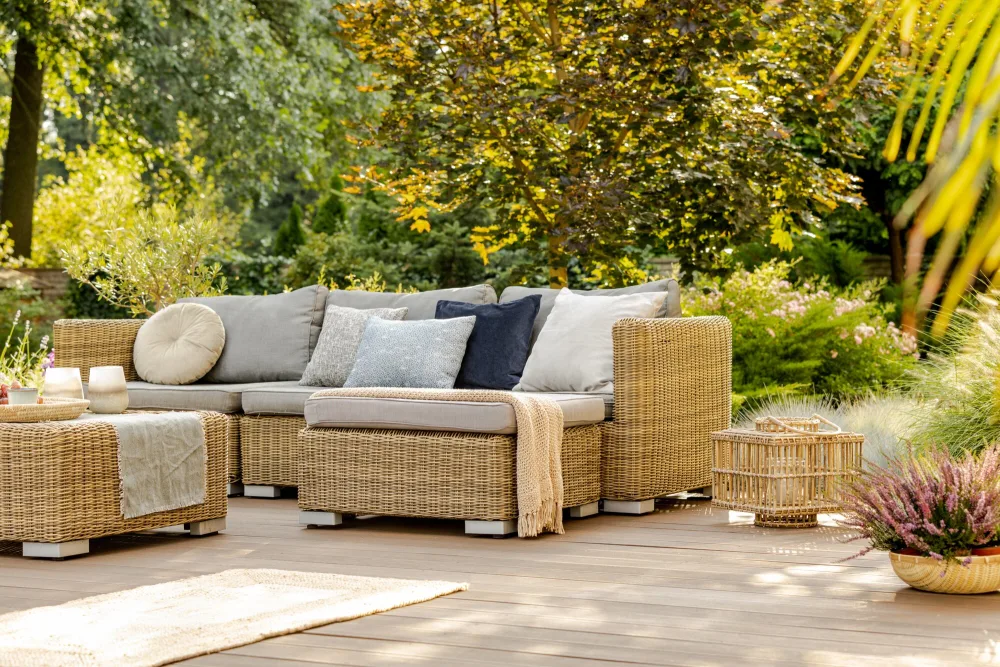
Wicker furniture has a natural, earthy look that suits many outdoor patio spaces. Natural rattan is beautiful, but expensive. It also degrades under UV rays, which means it should be used on covered patios only. 


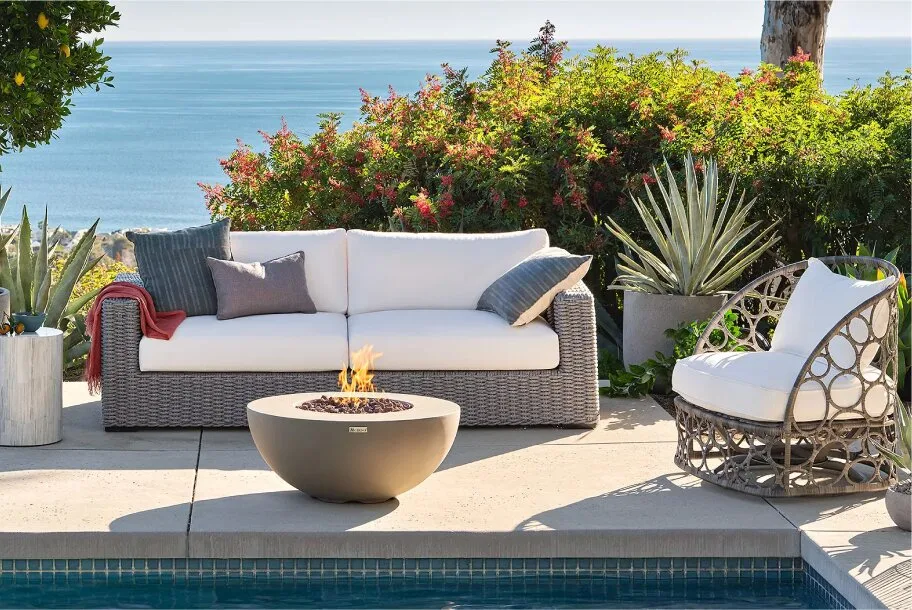
Synthetic wicker, on the other hand, is practical and low-maintenance. Known for resisting moisture and UV rays, this patio furniture material gets you the natural look of rattan with better protection against the elements. But like its natural counterpart, it tends to be expensive. 

Pros: Weather-resistant and stylish.

Cons: Lower-end versions can crack over time.

Steel

Steel has a traditional charm and can hold up over years of use. However, it works best in dry climates, as the material is extremely prone to rust. Even in dryer areas, you’ll still need to apply regular rust-proofing. While it’s sturdy and elegant, it does require more upkeep. 

Pros: Very strong and stylish.

Cons: Heavy and needs regular rust protection.

Plastic/Polywood

Budget-friendly and versatile, plastic and resin both hold up well outdoors. While they're cheaper materials, they also won’t fade, rot, or rust. They're also extremely lightweight, low-maintenance, and come in a wide range of colors. The lightweight build, however, makes it prone to tipping. It can also start to degrade in extreme heat, especially when it's under the sun. 

Pros: Affordable and low-maintenance.

Cons: May not have a high-end, luxurious look.

How to Maintain Outdoor Furniture Materials

Choosing the best patio furniture material is only part of the equation—proper maintenance is essential to keep your pieces looking beautiful and functioning well for years to come. Each material has specific care needs, and giving your furniture regular attention can make a big difference in its lifespan and appearance.

Teak

For teak, one of the best materials for outdoor furniture, maintenance is relatively simple. Clean teak furniture with mild soap and water to remove dirt and debris. If you want to preserve its original golden color, you should apply teak oil a few times a year; otherwise, it will naturally weather to an attractive silvery-gray patina over time.

Aluminum

Aluminum furniture, another top choice for outdoor use, should be wiped down regularly to prevent dirt and grime buildup. Although aluminum is rust-proof, covering or storing it during severe weather can help avoid scratches and keep the finish looking new.

Resin Wicker

When it comes to resin wicker, cleaning is easy—just hose off dirt and debris as needed. However, to protect the woven material from cracking during extreme heat or freezing conditions, it’s best to store resin wicker furniture indoors or under a protective cover when not in use for extended periods.

Steel

Steel furniture offers incredible strength and style but requires a bit more hands-on care. Regularly inspect steel pieces for any signs of rust. If rust appears, treat it immediately with a rust remover and apply a protective coating or touch-up paint to prevent further damage. Covering steel furniture when it's not in use will also help minimize moisture exposure and extend its life.

Plastic/Polywood

Plastic and Polywood furniture, often praised as some of the best materials for outdoor furniture due to their durability and low maintenance needs, are incredibly easy to care for. Simply clean them with soap and water to remove any dirt. These materials are resistant to stains, mildew, and fading, making them a practical choice for busy homeowners who want stylish outdoor spaces without the upkeep.

No matter which material you choose, protecting your outdoor furniture with covers, cleaning it regularly, and storing it during harsh weather can keep it in top condition season after season. With the right care, even the most exposed patio or garden setup can stay inviting, comfortable, and beautiful for years to come.

Final Thoughts on Choosing the Best Outdoor Furniture Material

Choosing the best outdoor furniture material is key to creating a beautiful, durable, and low-maintenance patio, outdoor deck, or backyard space. Whether you prefer the timeless elegance of teak, the lightweight durability of aluminum, or the weather-resistant charm of resin wicker, understanding the strengths and care needs of each material will help you make a smart investment. Keep in mind your local climate, your lifestyle, and how much maintenance you're willing to do when selecting your outdoor pieces. With the right outdoor furniture material, and a little regular care, you can enjoy a comfortable, stylish outdoor living or dining area that stands up to the elements and looks great for years to come.

Explore More

DESIGN 101

The Best Time to Buy Outdoor Furniture

We're equipping you with the information you need to make the best decisions when styling your home.

Read & shop

FEATURED

Outdoor Oasis

Find your ideal patio look, from beach house to a magical garden.

Read & shop

SHOPPING

Inspired Outdoor Dining

Entertain in the elements without sacrificing homey comforts.

Read & shop

F.A.Q.

What outdoor furniture lasts the longest?

Teak and powder-coated aluminum are the most durable outdoor furniture materials. More than just sturdy, these materials can resist rot, rust, and weathering for decades with proper care. 

What is the easiest outdoor furniture to maintain?

Aluminum and synthetic wicker are some of the easiest to maintain. All they need is an occasional rinse — no treatments, sealants, or rust prevention needed. 

Can I leave my outdoor furniture out year-round?

Yes, you can leave your outdoor furniture outside year-round, as long as it's made of weather-resistant materials. If you choose a material that's more sensitive to the elements, you may need to opt for seasonal use. 

What is the most waterproof material for outdoor furniture?

While some materials like teak or rattan are water resistant, they’re not fully waterproof. Others rely on coatings to repel moisture. However, plastic, resin, and stainless steel are fully waterproof. 

What is the best material for outdoor furniture in different climates?

What is the best material for outdoor furniture? Outdoor furniture faces year-round exposure to the elements, which means the ideal material for your patio depends largely on your local climate. 


Here’s what you should look for depending on your climate type: 


Hot and sunny — fade-resistant, heat-dispersing materials like aluminum and synthetic wicker

Humid or rainy — moisture-resistant or waterproof material, like teak, stainless steel, and wicker

Freezing temperatures — materials that resist cracking or corrosion in the cold, like all-weather wicker, powder-coated aluminum, or stainless steel

Coastal regions — materials that can withstand wind, moisture, and salt erosion, like powder-coated aluminum, synthetic wood, and stainless steel


Your new is just around the corner
Sign up for insight into the latest design trends from our newsletter

You're on the list

By signing up, you agree to receive email marketing.